
How Buildings Withstand Harsh New England Winters
Winters in New England aren’t just known for skiing and Kettle Pond ice skating; they’re notorious for permanently damaging some of our oldest buildings. In late February, the blizzard of 2026 wreaked havoc on the Town of Westwood’s Fire Station #1, an almost 80-year-old facility. Indents in the apparatus floor and a crumbling ceiling ultimately led the building to be condemned, making the fire station unusable before a new facility could replace it.
Why Does It Happen?
While there are many environmental factors to account for, cold-weather climates can affect your fire station in three primary ways:
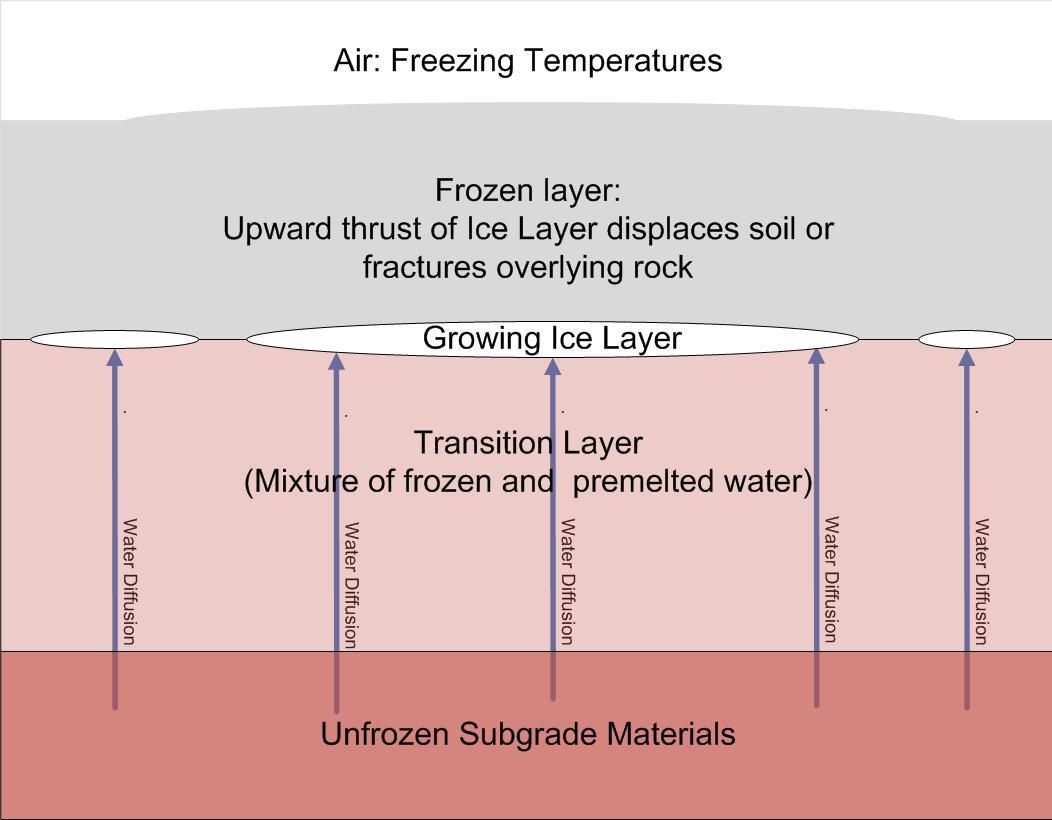
Frost heaves and spalling: Primarily caused by moisture infiltration and freezing, rapid shifts in weather patterns create opportunities for snow to melt into porous concrete material during the day, then freeze and expand inside floor slabs overnight. The flaking, chipping, or breaking away of a concrete surface often leaves holes, rough spots, and exposed aggregate, most often occurring in the cold Winter months.
This same process is also responsible for frost-heaving, the upward swelling of soil during freezing conditions caused by the presence of growing ice underneath it.
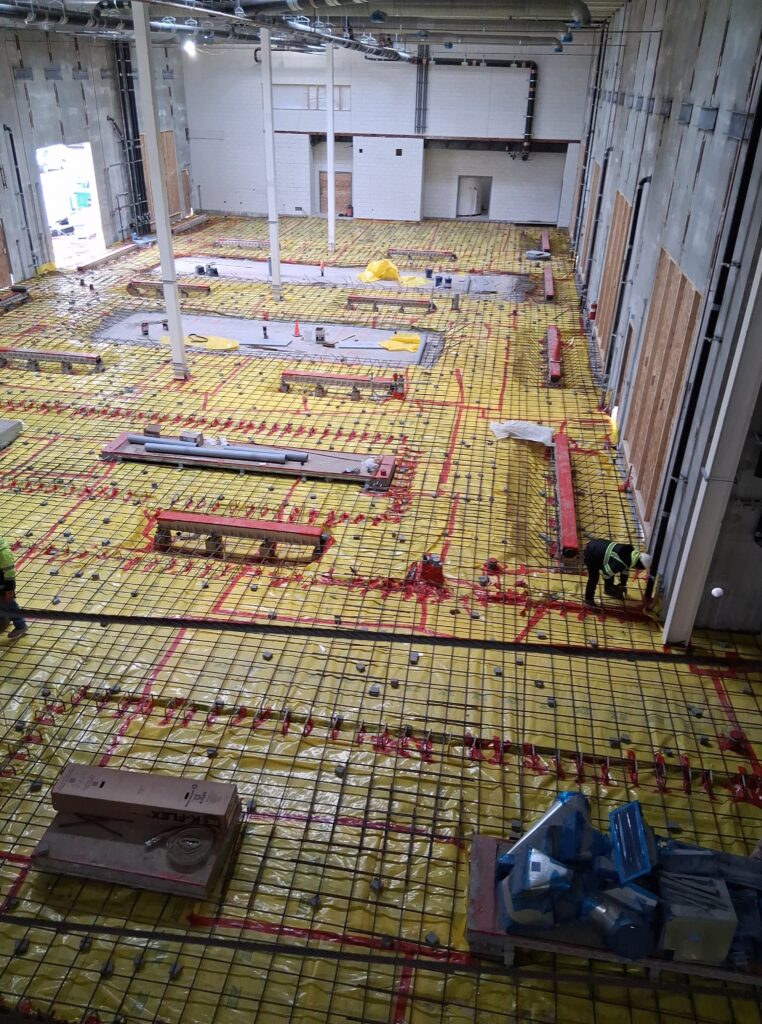
Rebar corrosion: If water is infiltrating your concrete, it won’t be long before the rebar inside will begin to deteriorate. Reinforcing steel, or rebar, is what provides tension for concrete slabs, helping prevent the slabs from cracking under load. While concrete provides compressive strength in floors and walls, rebar provides tensile strength. When water contacts rebar, it corrodes, becoming brittle and rusting. Over time, this weakens the structural integrity of the building, leading to the risk of structural collapse.
Outdated designs: Aging materials aren’t necessarily the only cause for the decline of a fire station; public safety building design has advanced over the past century to meet levels of safety and technological requirements firefighters need to do their job. After working on many fire stations across New England, Ted Galante, founder of The Galante Architecture Studio and professional Fire Station Architect, concluded with the following:
“The building was designed at a time when fire trucks were much lighter, in the range of 12,000 to 20,000 lbs. Today fire trucks weigh closer to 50,000 lbs. As a result, the floor is required to hold up almost 3 times the originally designed weight of these trucks. Furthermore, moving vehicles impose a “dynamic” load on the floor, leading to even greater forces as the trucks roll in and out of the station. That load is transmitted through the floors into the walls of the facility, likely causing stress cracks in the masonry.”
What Can You Do?
There is no stopping Father Time; facilities are not meant to last for centuries without major rehabilitation. When it’s time to replace your outdated building with a modern one, there are ways you can increase the lifespan of your new investment, whether it’s a small home or a 20,000 square foot fire station.
As you begin working with an architect, there are three major paths to extending the life of your new facility:
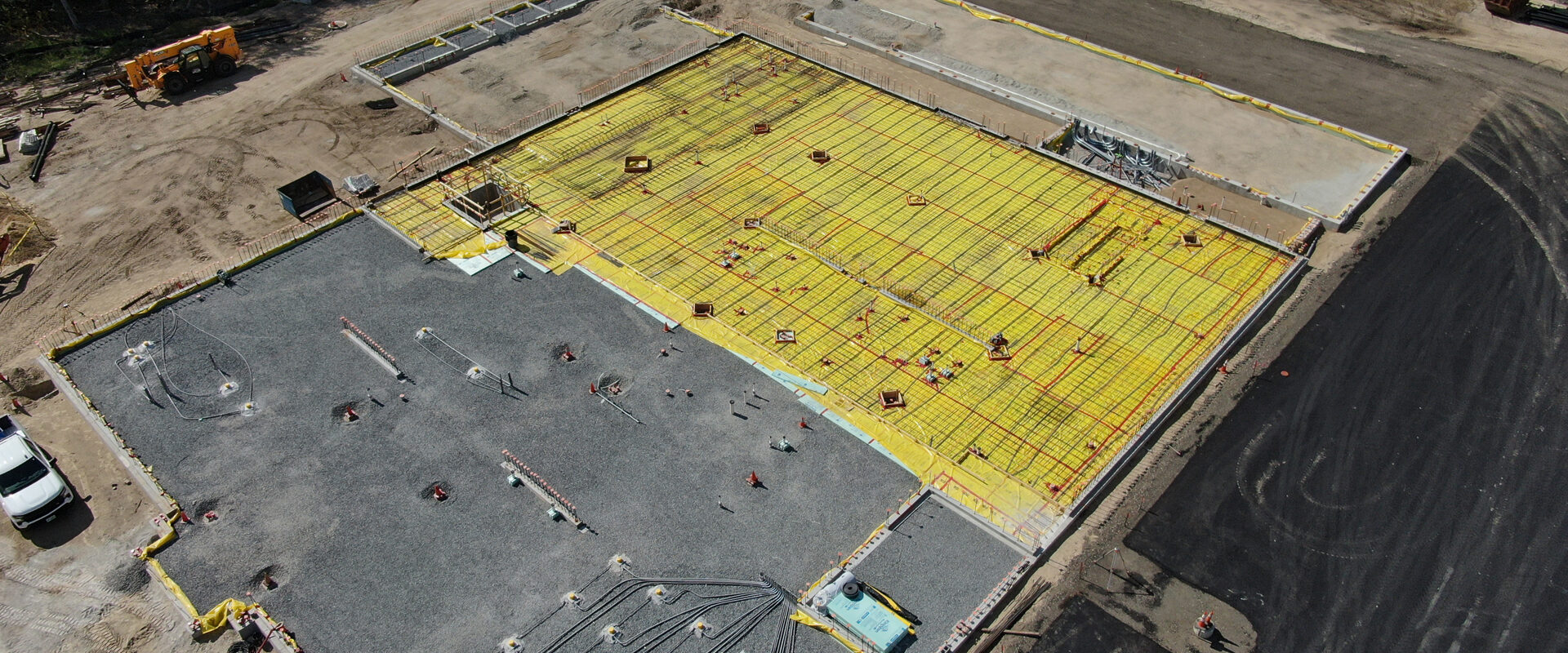
Waterproofing your foundation: To prevent moisture from permeating your foundation, membranes comprised of composite materials such as asphalt and thermoplastic can be wrapped around the foundation. Good waterproofing material is typically vapor-permeable; liquids stay out, but air can pass through, allowing any moisture in the material to dry out. Below is the process in action:
Installing sump pumps: You can’t freeze water if there’s nothing there to freeze! Installing a sump pump is a cost-effective way of removing accumulated groundwater from underneath your building. This is recommended if your building is constructed in wetlands or where water drainage is difficult.
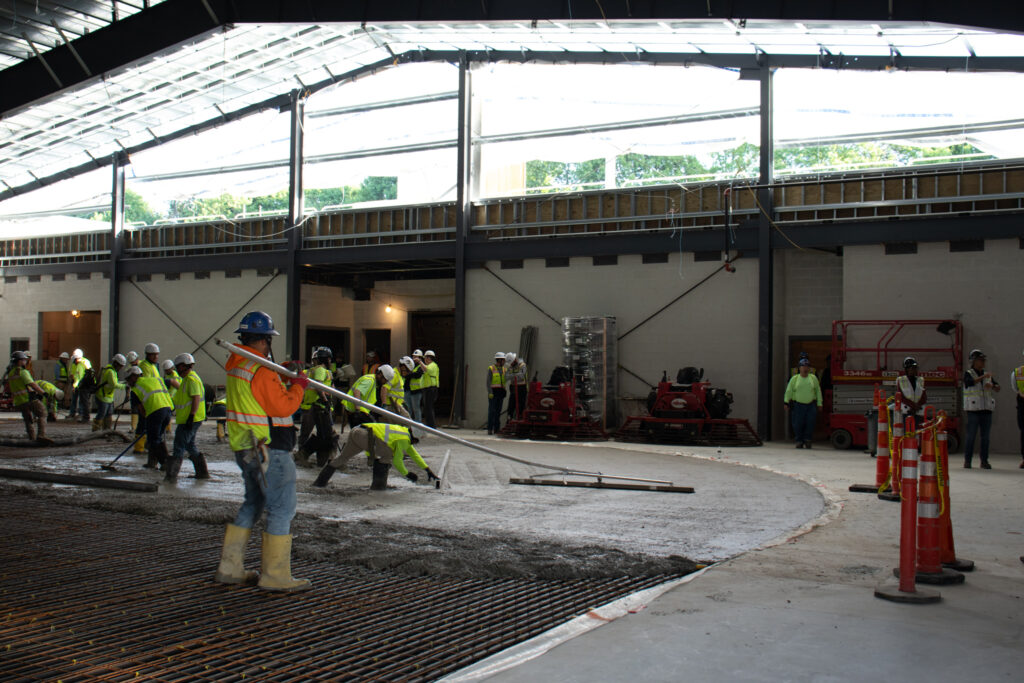
Radiant heating/flooring: A radiant floor relies on the scientific process of convection to distribute heat internally within the floor slab, utilizing radiant heat transfer, a form of infrared radiation (completely safe for people!). While providing heat for the building, energy will transfer into the foundation, keeping the concrete from reaching freezing temperatures and preventing any moisture inside the material from freezing.
Working with your utilities and engineering team, there may be opportunities to circulate waste heat underneath your building in order to prevent frost heaving. A recently completed Sports Complex/Ice Rink in Belmont, MA, utilizes waste heat from the ice rink’s cooling system, transferred through underground pipes, keeping the ground below the facility above freezing temperatures.
Concerned about your old station?
If you notice uneven concrete or recurring cracks around your fire station, it’s time to schedule a consultation with a specialist. The Galante Architecture Studio has developed modern public safety buildings across New England and beyond for almost thirty years. We are experts in replacing outdated buildings throughout New England, guiding municipalities and clients through the process of creating buildings that will last for generations.
Contact us to learn more.