The Belmont Sports Complex
One-of-a-Kind Sustainability
The Skip Viglirolo Rink
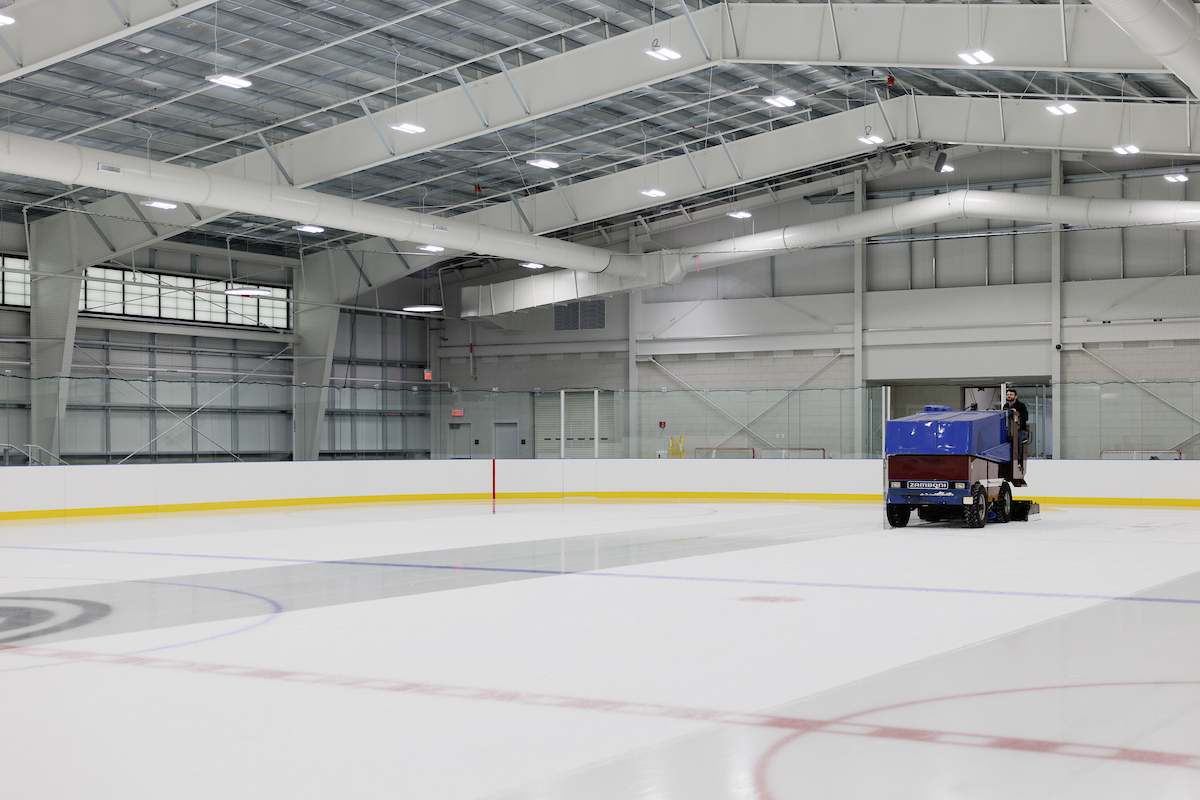
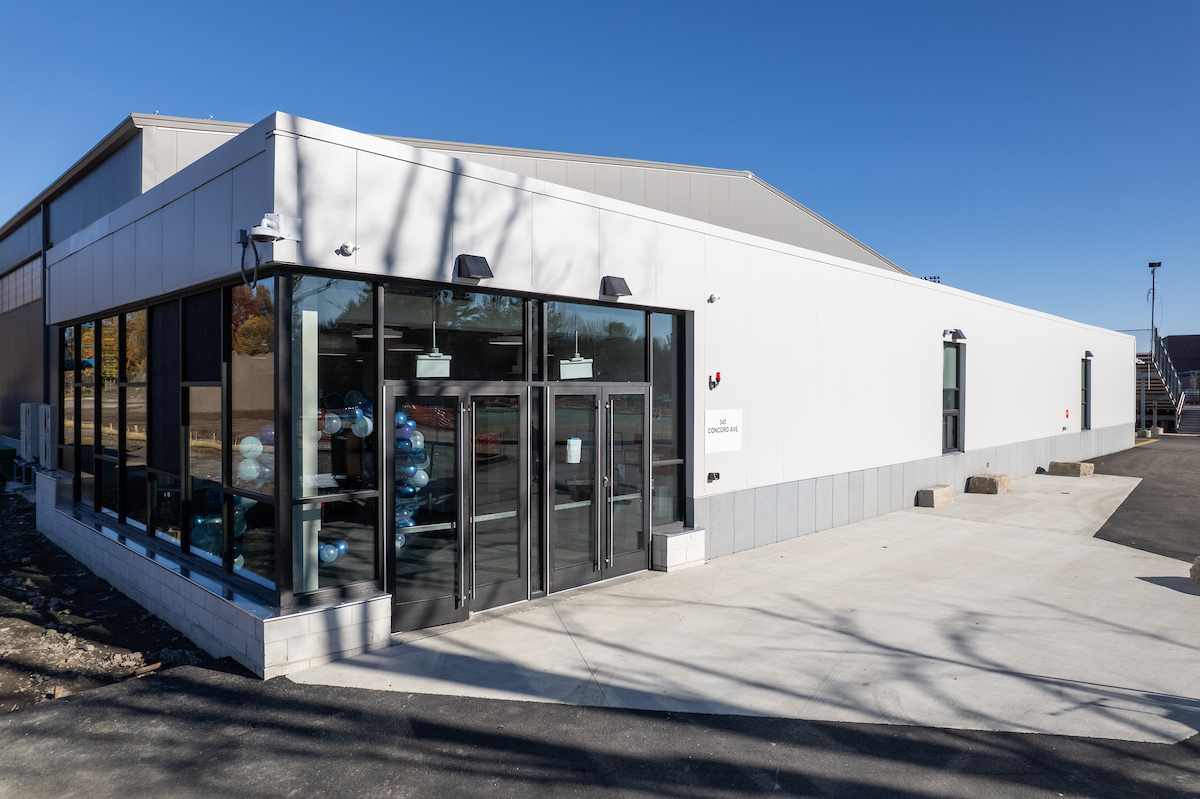
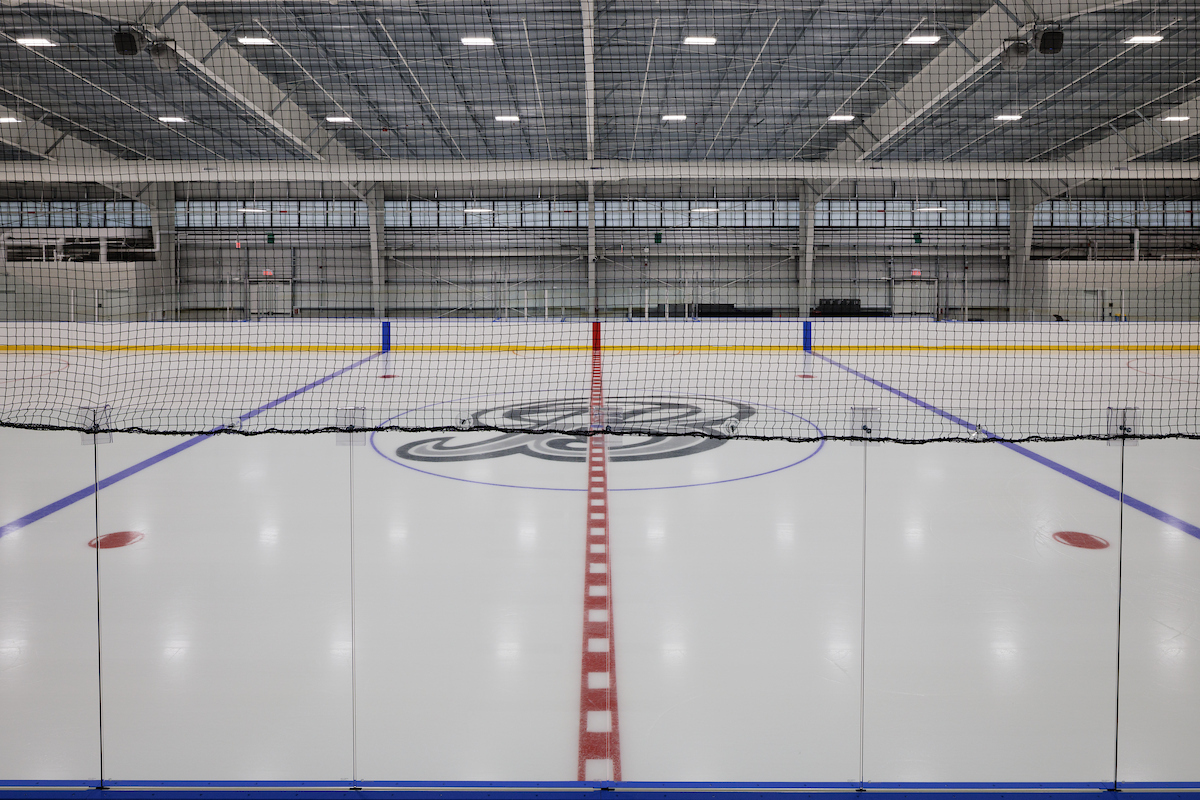
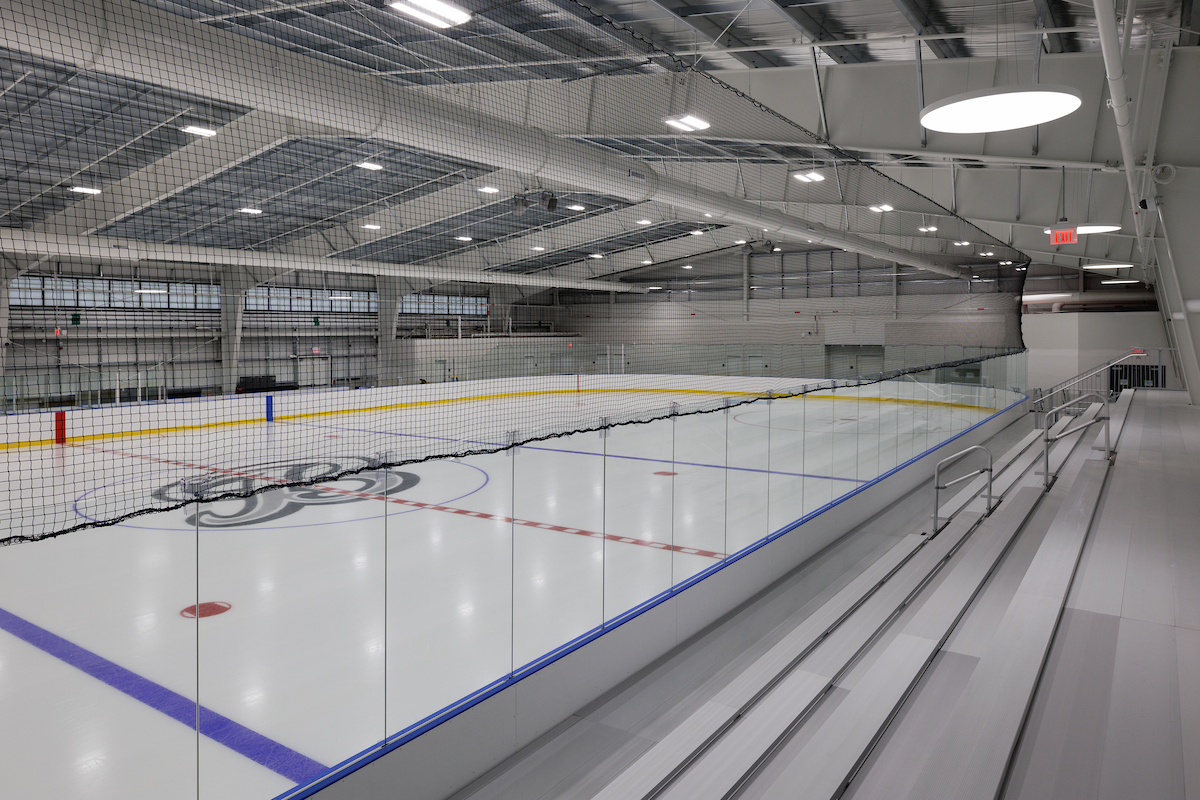
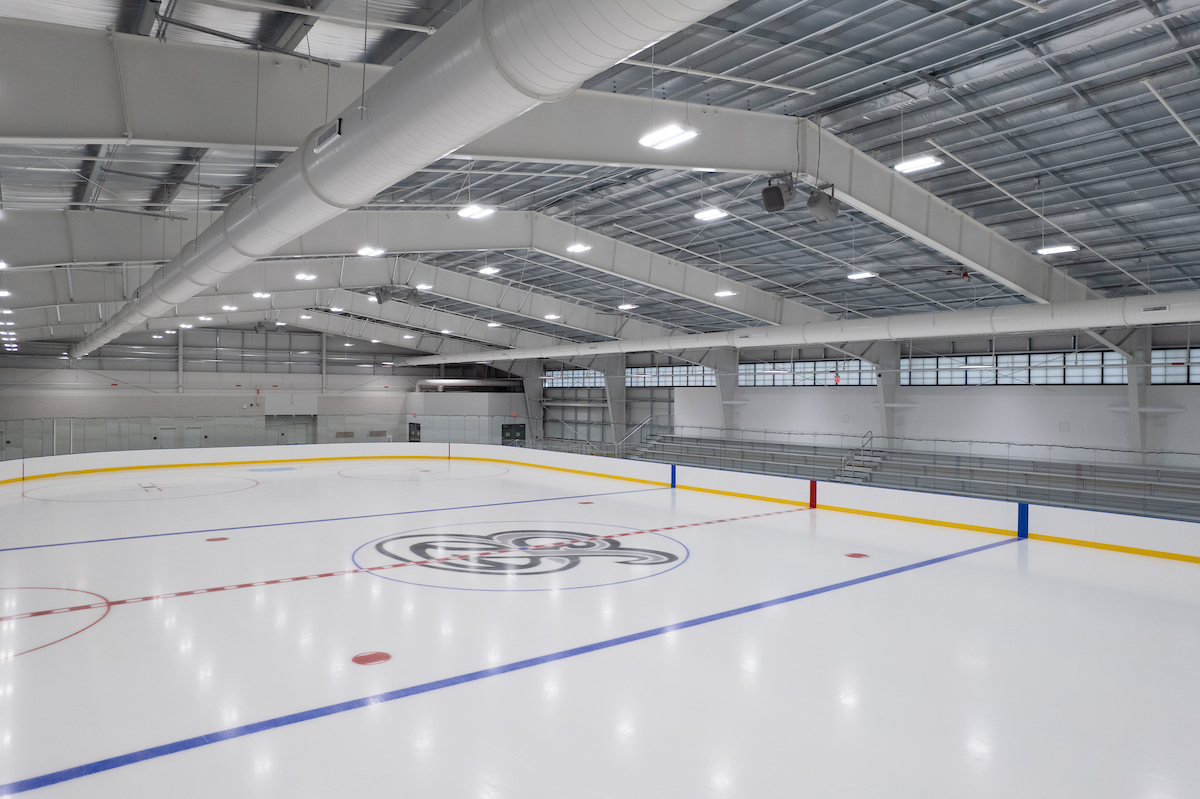
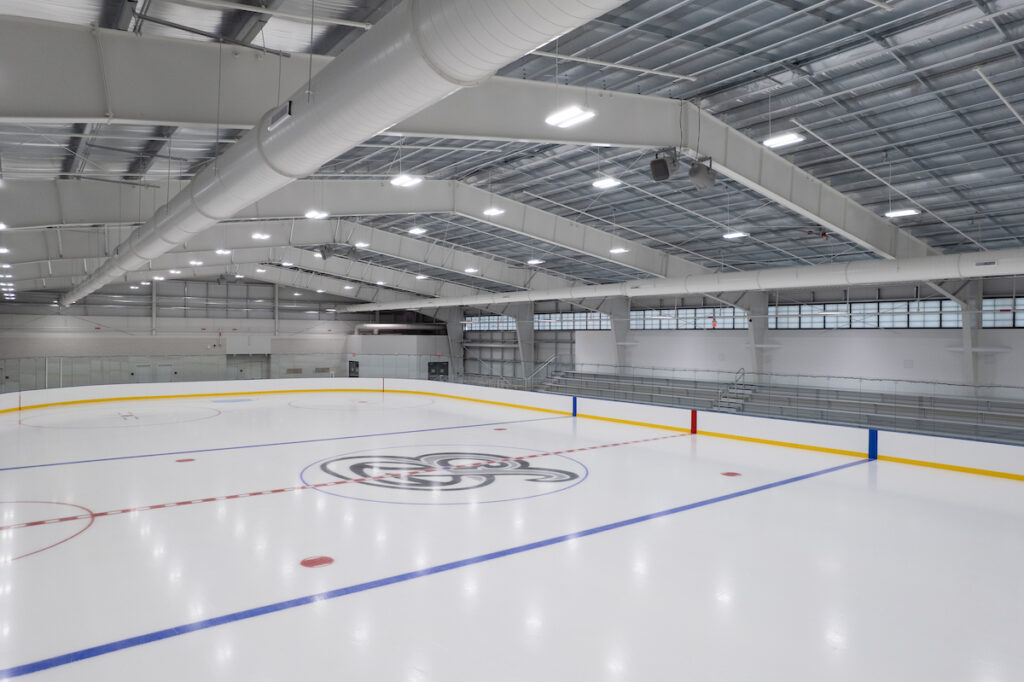
The Belmont Sports Complex, a 40,300 square foot facility, houses the 200-foot by 85-foot ice rink, dedicated to Belmont’s beloved community member James “Skip” Viglirolo. The rink is open year-round and easily accessible to the public. The facility includes an ice skate rental booth, concession stands, and bleachers for the public to watch hockey games and skating competitions.

Reduced Costs
Working with cutting-edge engineering, the new Belmont Sports Complex is expected to reduce operating costs by as much as 40%. In addition to lower operating costs, the inclusion of heat recycling systems and a Carbon Dioxide cooling system lowers upkeep costs compared to a typical ice rink. The CO2 system is expected to last longer and more efficiently than other common artificial refrigerant systems.

Recycled Heat Byproduct
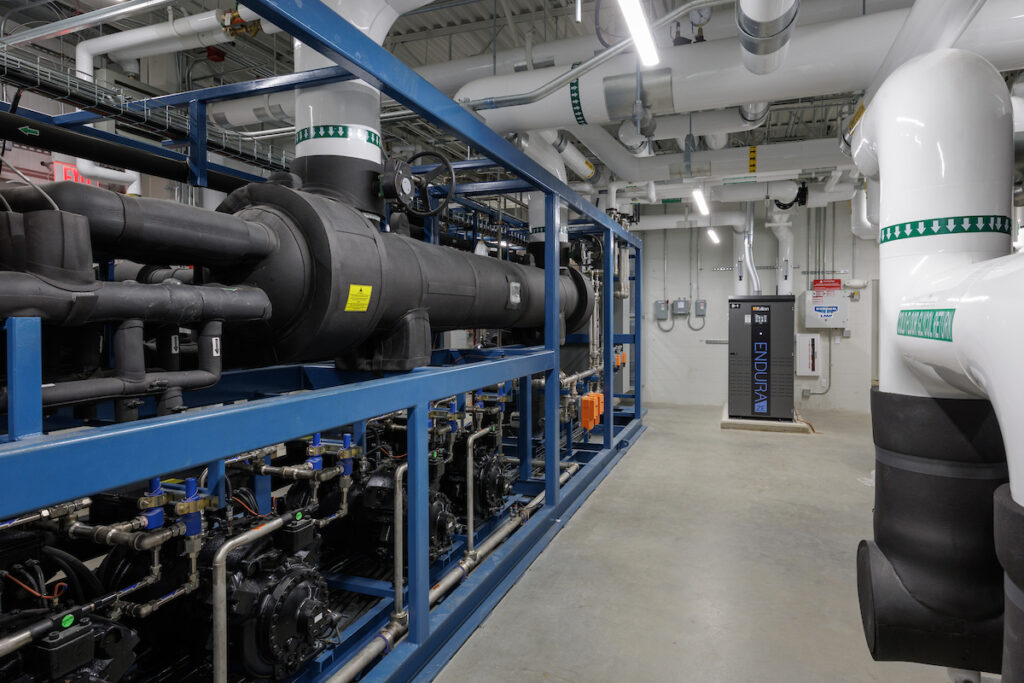
The Belmont Sports Complex’s internal mechanical systems increase the building’s efficiency by recycling excess heat byproduct generated by the refrigeration system. The thermal energy is reused to warm the ground below, prevent frost-heaving while providing heat to the snow melt pit, the building’s plumbing, and distributing general heat throughout the facility to warm the skaters.
Carbon Dioxide Coolant
New sustainable technological advancements in ice-making stand at the heart of this project. A new Carbon Dioxide-based coolant system replaces the use of HFC’s (Hydrofluorocarbons), a cheap but inefficient compound registering a Global Warming Potential (GWP) between 1,400 and 4,000. Carbon Dioxide has a GWP of only 1, and is significantly less destructive to the environment.
Rooftop Solar Power
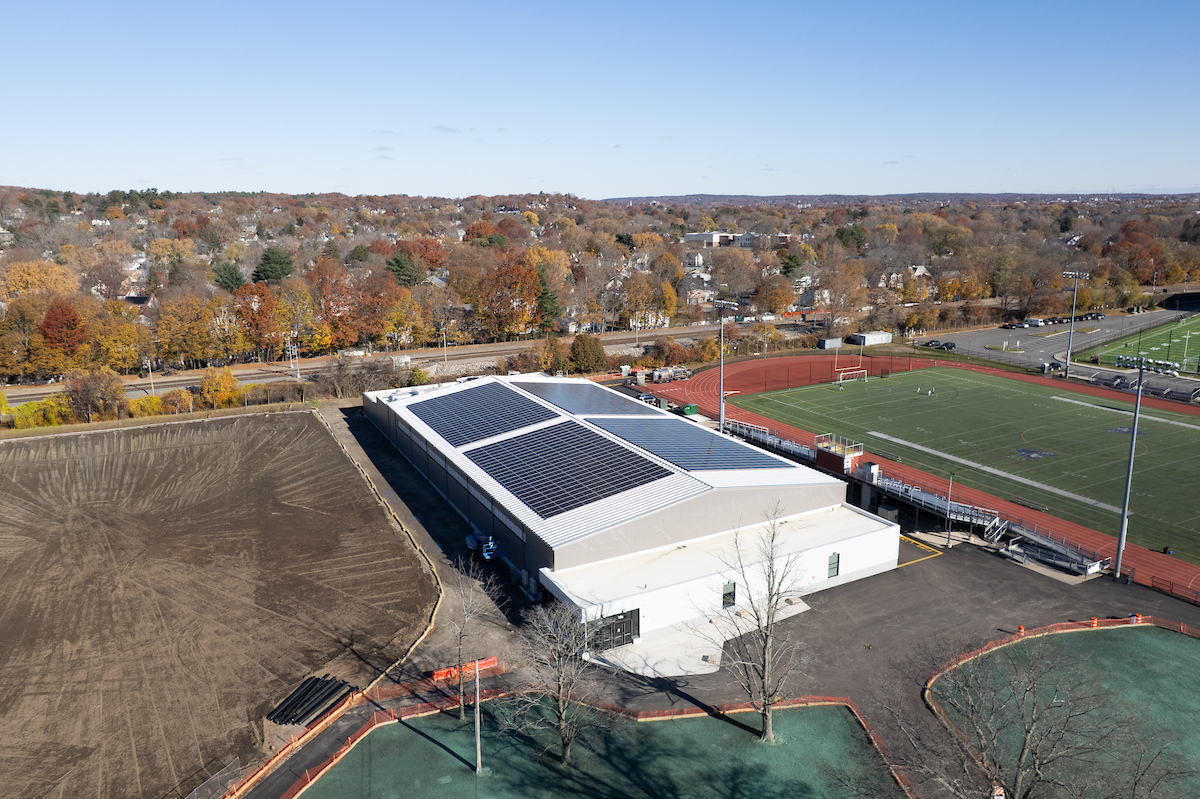
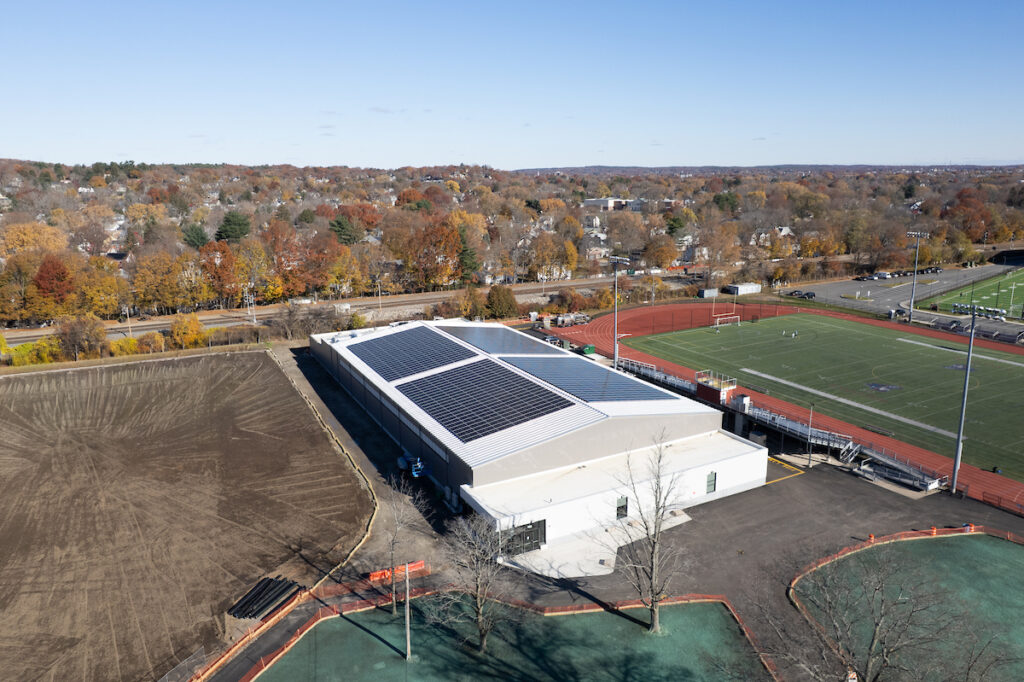
Photovoltaic (PV) Panels cover the entire roof of the facility, estimated to cover a substantial amount of the building’s energy usage. The building does not rely on any carbon-emitting fuel sources to power the facility; once the building is connected to a sustainably generated source of electricity, the Belmont Sports Complex will produce little to no carbon emissions in the atmosphere.